
Scientific Communication & Stakeholder Engagement
Earth’s frozen regions face centuries of damage if warming crosses 1.5°C
- Organisation
- International Cryosphere Climate Initiative,United Nations Environment Programme
- Source
- ThePrint: Science, published
- On SHODHX
· Approved by Sameer Gupta
The report was published by the International Cryosphere Climate Initiative in collaboration with the UN Environment Programme.
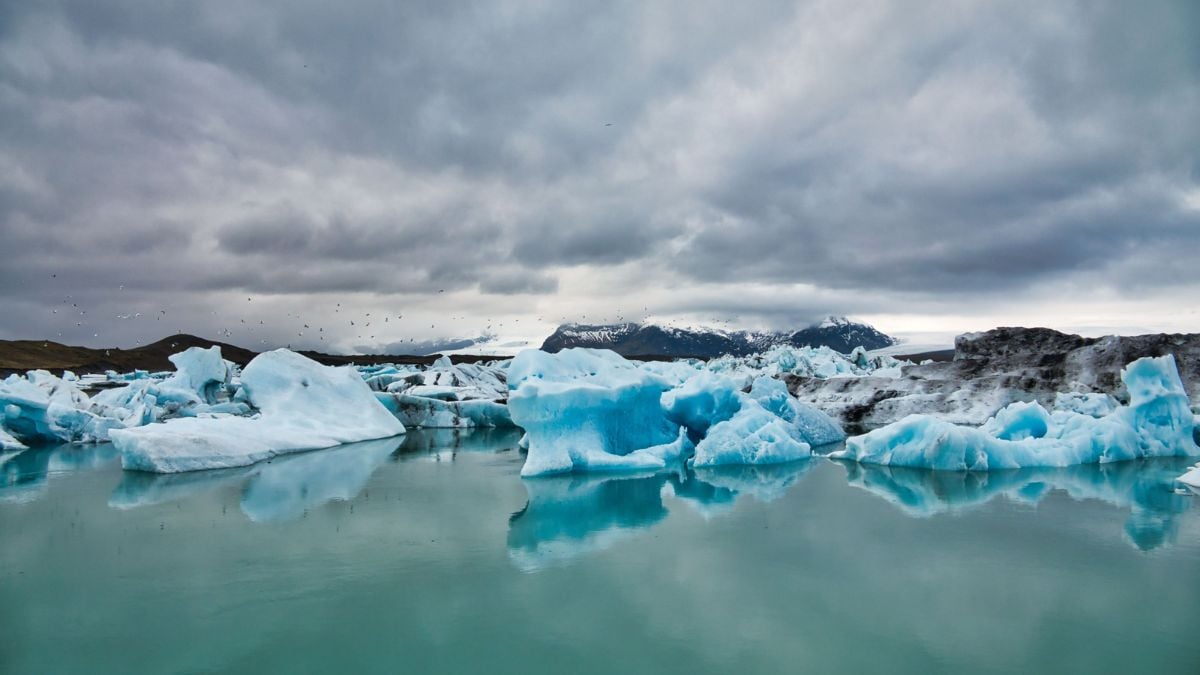
A group of more than 80 polar and mountain scientists has warned that even a temporary overshoot of the 1.5°C global warming limit could set in motion ice loss that lasts for centuries. The warning appears in a report titled Overshoot and the Cryosphere: Averting Global Meltdown, published by the International Cryosphere Climate Initiative in collaboration with the United Nations Environment Programme on 2 November. The authors say that passing this threshold would cause “irreversible” damage across glaciers, ice sheets, sea ice and frozen ground unless temperatures are brought back well below 1.5°C as quickly as possible.
The report focuses on the cryosphere, the term for all the planet’s frozen water — ice sheets, glaciers, sea ice and permafrost. The cryosphere helps regulate climate and ocean behaviour; when it diminishes, it changes ocean salinity and density and can alter global water movements such as the Atlantic Meridional Overturning Circulation. As ice melts, the report warns, impacts cascade to human communities: coastal areas face rising threats, and shrinking glaciers threaten the water supplies used for drinking and irrigation.
The authors present recent trends to underline the urgency. They state that ice sheets that once overlaid Greenland and Antarctica are losing mass at a rate six times higher than in the 1990s, and that Switzerland has lost nearly 20% of its glacier ice since 2020. The report also highlights the cascading consequences of thawing permafrost: greenhouse gases are released to the atmosphere, and the ground itself becomes unstable, increasing the risk of landslides and sudden ice-rock avalanches.
Nepal’s recent mountain disaster is cited as an example of what researchers describe as a foretaste of larger problems. Gunjal Silwal, a Nepali glacier researcher who will attend COP31, called that tragedy a warning of what may come. Lead author James Kirkham summed up the message bluntly: “There are no good outcomes in exceeding 1.5°C.” ICCI director Pam Pearson used a highway metaphor to urge rapid reversal of any overshoot rather than continuing on the same course.
For India, the report’s findings underline risks that are already being debated globally: reduced glacier-fed water availability, challenges for irrigation, and pressures on coastal communities. The authors stress that decisions taken in the next few years will largely determine the long-term scale of damage for today’s young people and for future generations. For researchers, the report reinforces the need to keep evaluating cryosphere responses to temperature changes and to devise rapid mitigation and adaptation strategies aimed at limiting any overshoot and returning temperatures below 1.5°C as soon as possible.
This summary was written with AI from the original story and checked by a SHODHX editor.
Original report by ThePrint: Science, .
Spotted an error? Tell us, and we will correct it.