
Scientific Communication & Stakeholder Engagement
Human noise pollution is harming 80% of species studied, find scientists
- Organisation
- researchers from the UK, Science
- Source
- ThePrint: Science, published
- On SHODHX
· Approved by Sameer Gupta
The study titled “Echoes of the Anthropocene: Noise pollution as a global threat” was published in Science by researchers in the UK.
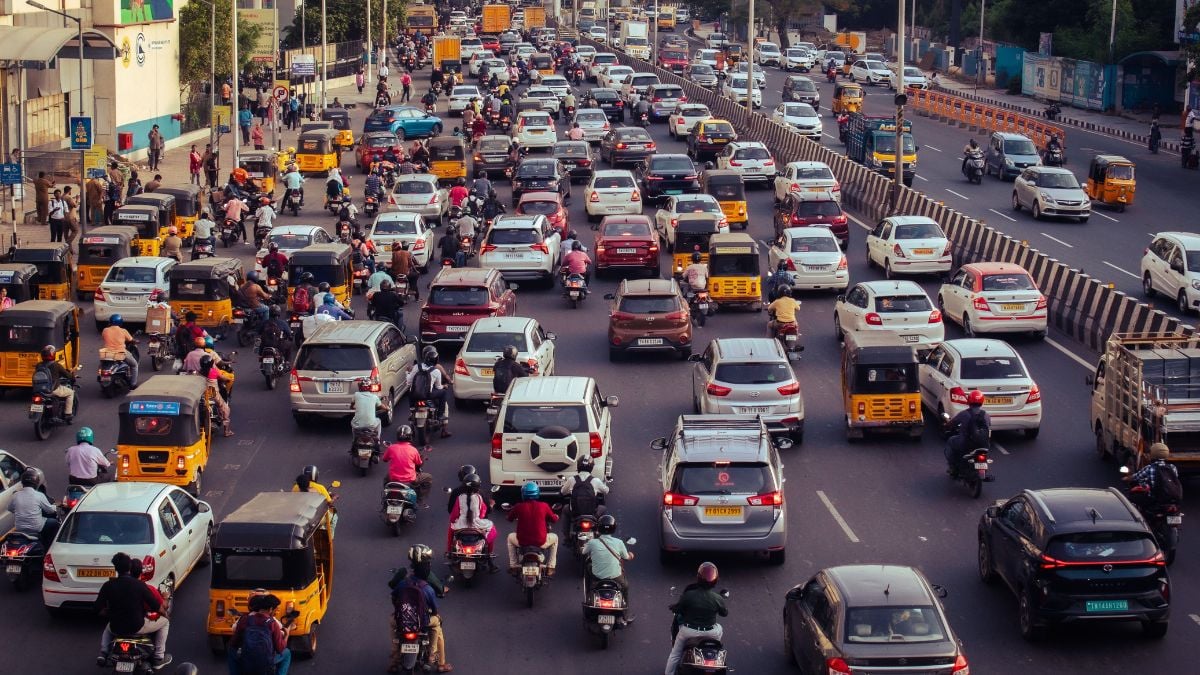
A new synthesis by researchers from the UK, published on 5 November in Science and titled "Echoes of the Anthropocene: Noise pollution as a global threat", shows that human-made sound is damaging wildlife around the world. The authors reviewed more than 200 experimental studies that collectively involved 177 aquatic and terrestrial species from six continents. They report that roughly 80 per cent of the species examined showed changes to biological traits when exposed to noise from traffic, shipping, industrial operations and similar sources.
The team used experimental studies — controlled tests where animals’ responses to sound are measured — to draw broad conclusions about how noise affects organisms. In plain terms, by “biological traits” the study means behaviours and bodily functions that influence an animal’s chances of surviving and reproducing. Across the body of work they analysed, mortality rose by as much as 138 per cent in some cases, and overall fitness — the ability of individuals to survive and pass on genes — declined by about 27 per cent when direct deaths and other harmful effects are combined.
Behavioural changes were widespread. Prey animals often spent more time hiding or avoiding risk, which in turn made hunting harder for predators. Predators were found to increase their hunting effort by more than 150 per cent while their success fell by roughly 25 per cent, so they worked much harder but caught less. Some birds altered parental care in noisier places, with increases in care improving chick weight in some cases and reductions in care lowering young survival in others. The review also recorded physiological impacts such as elevated stress hormones, cellular damage and weakened immune responses, along with effects on reflexes, cognition, specialised tissues and mate-choice processes.
Marine life appears particularly at risk because sound travels farther and faster in water than in air, and many sea creatures depend on acoustic cues and echolocation to find food and navigate. The review echoes prior work indicating that shipping, underwater construction and resource exploration have increased noise in oceans, disrupting these acoustic habitats.
The authors argue that sound should be treated as a widespread environmental stressor with immediate behavioural effects and long-term population consequences. They recommend conservation measures such as designated low-noise zones and “acoustic refuges” so animals can communicate and behave naturally. For India, as for other countries, this means considering acoustic environments alongside habitat protection and pollution control, encouraging local monitoring and research to guide management of noisy human activities.
This summary was written with AI from the original story and checked by a SHODHX editor.
Original report by ThePrint: Science, .
Spotted an error? Tell us, and we will correct it.