Skip to content
ShodhX: Through Science, For Science
  1. Scientific Communication & Stakeholder Engagement · The Hindu: Science

    New technique uses light to spot deepfakes in seconds

    In tests, the system was able to identify manipulated videos with an accuracy of 99.86% and real videos with an accuracy of 95.72% — while processing 15 videos at a time

    The Hindu: Science

    Source: The Hindu: Science,

    On SHODHX:
  2. Scientific Communication & Stakeholder Engagement · The Hindu: Science

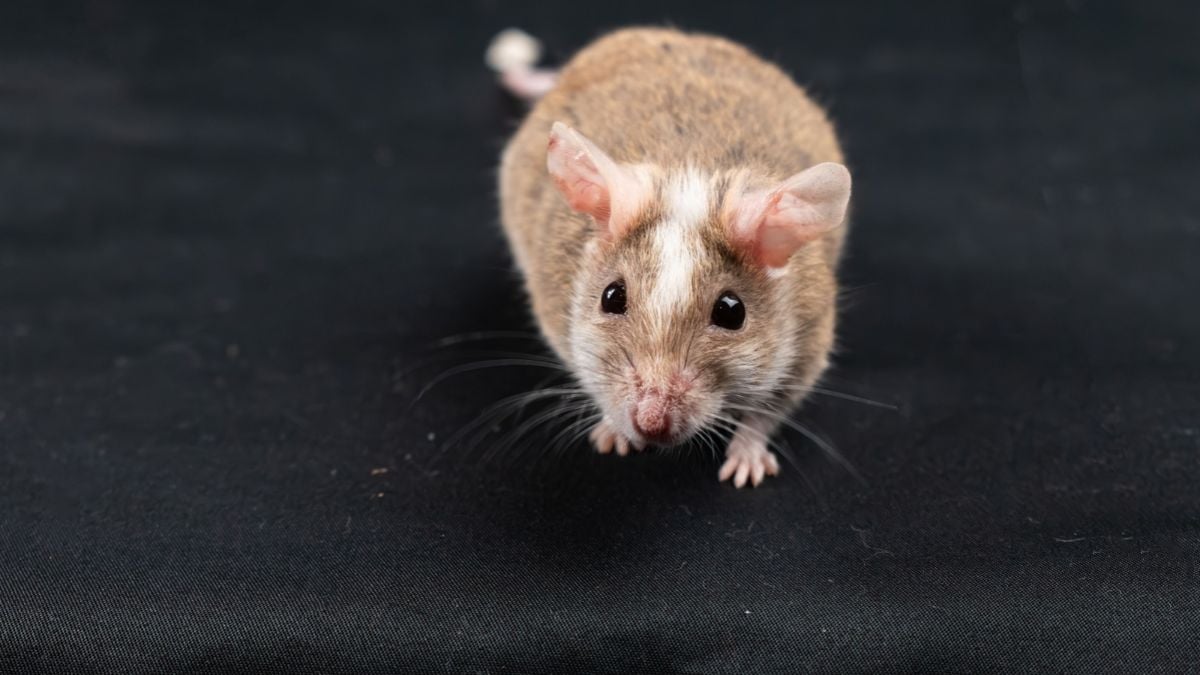
    Scientists unearth new instance of ‘contagious cancer’ in animals

    Researchers studied melanoma in the brown bullhead catfish, a resident of Lake Memphremagog, between Quebec in Canada and Vermont in the U.S.; the finding is interesting because it could reveal clues to keeping a human’s body from rejecting a transplanted organ

    The Hindu: Science

    Source: The Hindu: Science,

    On SHODHX:

  3. Scientific Communication & Stakeholder Engagement · The Hindu: Science

    Why is ISRO’s NVS-03 satellite launch crucial? | Explained

    The mission could help restore the functioning of India’s regional satellite navigation system NavIC; its development began following the 1999 Kargil War, when the U.S reportedly clamped down on GPS data access

    The Hindu: Science

    Source: The Hindu: Science,

    On SHODHX:

  4. Scientific Communication & Stakeholder Engagement · The Hindu: Science

    GSLV places next-generation navigation satellite NVS-03 into orbit

    The NVS-03, with a mission life of 12 years, is expected to restore the functioning of the NavIC constellation; satellite carries an indigenous atomic clock, along with procured atomic clocks

    The Hindu: Science

    Source: The Hindu: Science,

    On SHODHX:

  5. Scientific Communication & Stakeholder Engagement · ThePrint: Science

    Why ISRO’s NVS-03 launch matters for India — From Kargil to smartphones

    The NavIC programme originated in the aftermath of the Kargil War in 1999, when India felt the need to develop an alternative to the United States’ GPS.

    ThePrint: Science

    Source: ThePrint: Science,

    On SHODHX:

  6. Scientific Communication & Stakeholder Engagement · ThePrint: Science

    ISRO launches third next-gen NavIC satellite after NVS-02 setback

    ISRO's NVS-02 satellite was stranded in orbit last year following a failure in its oxidiser valves. NVS-03 is expected to help ensure continuity of India's independent navigation services.

    ThePrint: Science

    Source: ThePrint: Science,

    On SHODHX:

  7. Scientific Communication & Stakeholder Engagement · ThePrint: Science

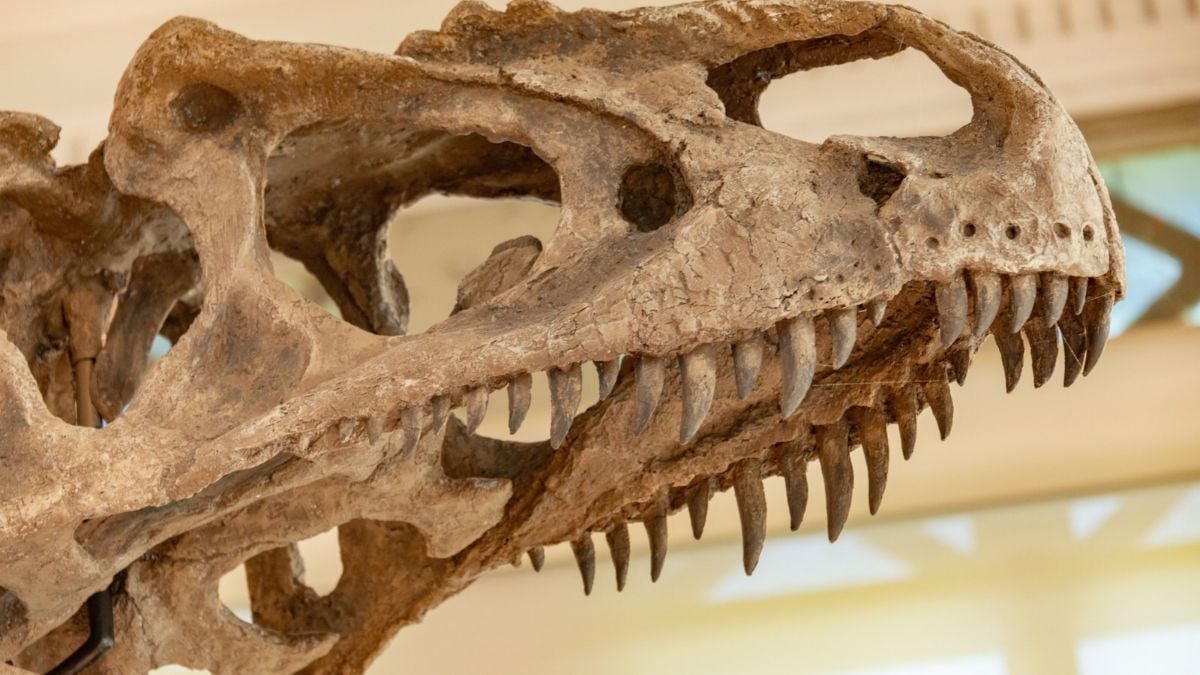
    Scientists have found a dinosaur that preferred eating fruits instead of meat

    The findings were published in Nature Communications by researchers from Stony Brook University, the Royal Ontario Museum and the North Dakota Geological Survey.

    ThePrint: Science

    Source: ThePrint: Science,

    On SHODHX:

  8. Scientific Communication & Stakeholder Engagement · ThePrint: Science

    What are rad-hard materials? Why satellites and nuclear reactors need them

    Researchers at the US Department of Energy’s Pacific Northwest National Laboratory are using AI agents to analyse radiation damage in electronics.

    ThePrint: Science

    Source: ThePrint: Science,

    On SHODHX:

Feedback